

Amid a global push for sustainability, the mining industry is undergoing a major green transformation. As critical mine equipment, hoists and winches significantly impact both operational costs and environmental footprints. Consequently, breakthroughs in energy-saving hoist technology are now vital. They drive green mining initiatives and support carbon neutrality goals.
From outdated challenges to an inevitable green shift
For a long time, mine hoist systems have been notorious energy consumers. Traditionally, DC or asynchronous motor-driven hoists waste vast amounts of power. During frequent starts, stops, and heavy-load lowering, energy is dissipated as heat through resistors. This results in extremely low energy efficiency. Consequently, operational costs rise significantly, alongside substantial carbon emissions. Facing stricter environmental regulations and cost pressures, the industry must now adopt energy-saving hoisting technologies. Developing and deploying low-carbon solutions is no longer optional. In fact, it has become an essential path toward sustainable mining.
Core technology breakthrough – regenerative braking and energy feedback
The most breakthrough feature of energy-saving hoists is their regenerative braking and energy feedback systems. Unlike traditional systems, which waste potential energy as heat, new smart variable-frequency drives recycle electricity during braking. Essentially, they return this captured power directly to the mine’s electrical grid. This system acts like a high-capacity power bank for the hoist. When lowering heavy loads, the motor operates as a generator. It converts mechanical energy into clean electricity. This recycled power then supplies other mine equipment instantly. For example, it can support ventilation, lighting, or pumping systems. Ultimately, this enables circular energy use with overall energy savings reaching 20%–40%.
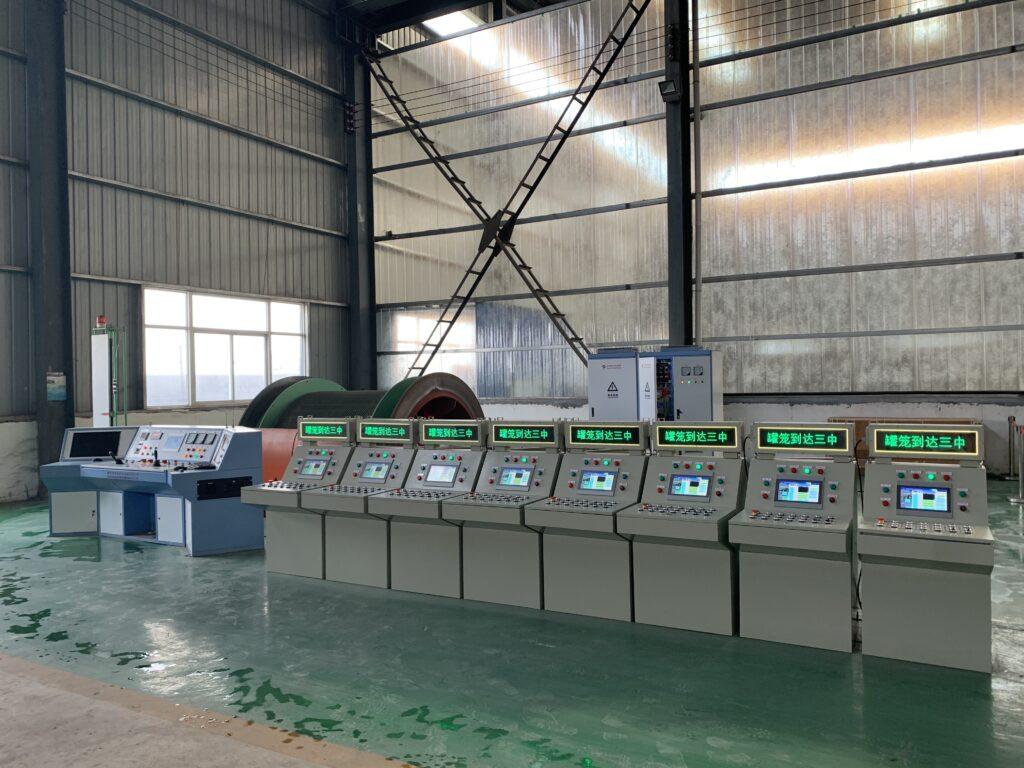
Deep integration with new energy – building a zero carbon energy ecosystem
A truly green mine conserves energy and actively uses clean sources. Fortunately, energy-efficient hoists are evolving to integrate with renewables like solar and wind. Specifically, mines can now install smart microgrids and large-scale storage systems. These setups use abundant daytime solar or wind power to directly operate the hoists. Additionally, they store regenerated energy for use at night or during calm periods. Consequently, this drastically cuts reliance on fossil fuels. It also stabilizes the electrical grid load. Most importantly, it enables near-zero carbon hoist operations during optimal periods. Ultimately, this transformation reshapes the entire energy model of mining.
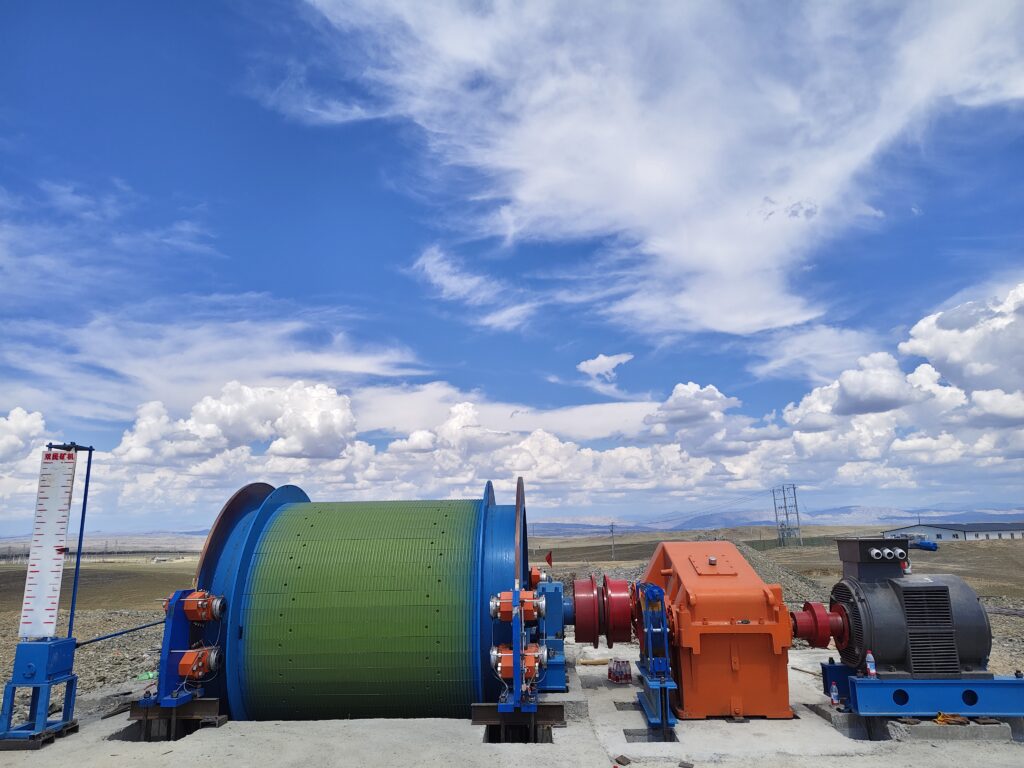
Intelligent automation – efficiency beyond energy savings
Breakthroughs in energy savings go far beyond recycling power. They are now driven by smart and digital technologies. Modern systems integrate advanced sensors, IoT, and AI algorithms. These tools continuously monitor load, speed, and rope condition. Using big data, they optimize operation in real-time. Therefore, hoists start and stop more smoothly and precisely. This reduces mechanical stress and wear. Predictive maintenance also extends equipment lifespan. It simultaneously cuts failure rates and saves more energy. Ultimately, intelligent control unlocks full potential. It achieves a comprehensive shift from energy savings to overall performance gains.
Looking ahead to the future – towards a fully green new mine
Technical breakthroughs in energy-saving hoists and winches reflect a broader industry shift. Mining is becoming greener, smarter, and more efficient. This progress goes beyond mere equipment upgrades. It represents a new operational philosophy: every descent generates power, and every resource is fully utilized. As technology matures and renewable costs fall, future green mines will operate autonomously. They will function as modern, near-zero emission facilities. This revolution started with critical equipment. Now, it drives the entire mining industry toward a sustainable future.
