

To ensure the continuous safe operation of mine hoists, implementing preventive maintenance is crucial. Additionally, regular inspections are vital for proactively identifying and eliminating potential hazards. Furthermore, preventive maintenance is a systematic approach tailored to the hoist’s characteristics. This method primarily focuses on scheduled inspections, servicing, and repairs.
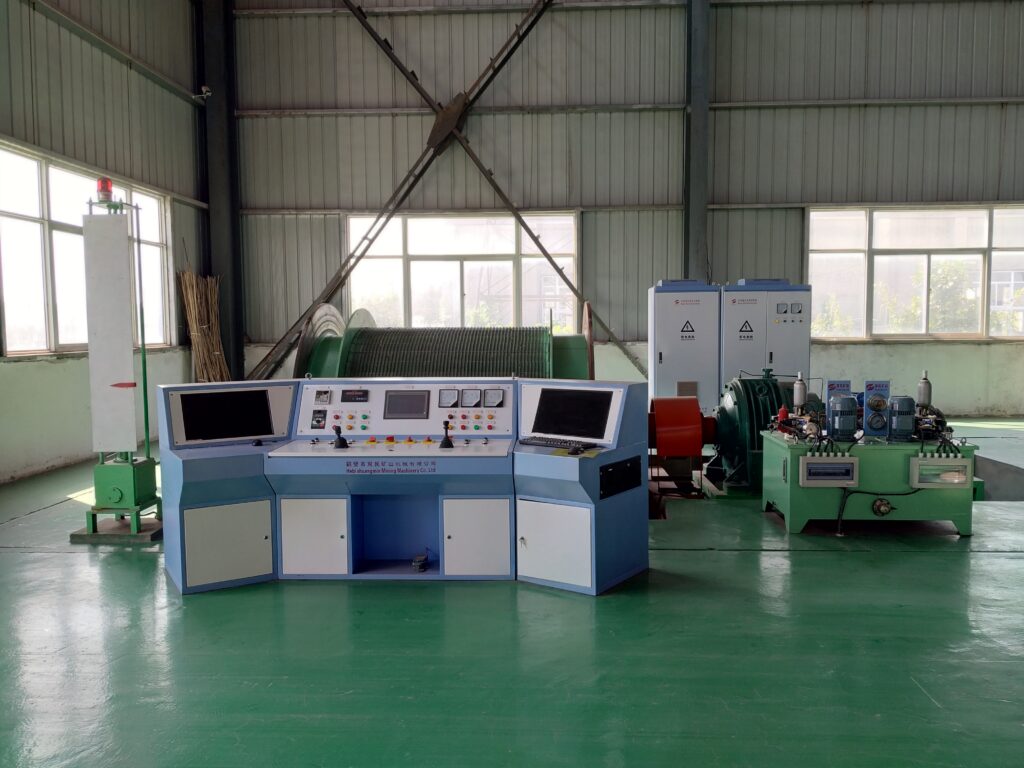
In addition to daily care, key hoist operators should also participate in scheduled maintenance and repair tasks. This active involvement is essential for keeping the equipment in optimal condition.
Routine maintenance
Daily maintenance includes lubrication, routine inspections, and cleaning. Moreover, performing regular upkeep consistently reduces wear on mechanical parts. This practice also extends the hoist’s service life and minimizes the need for major overhauls. Ultimately, it establishes a solid foundation for future maintenance.
Regular inspection
Regular hoist inspections are conducted daily, weekly, and monthly. Furthermore, each schedule is tailored to the hoist’s design, function, and maintenance history. All findings and subsequent repairs must be documented in a maintenance log. Finally, this record requires a signature from the responsible engineer.
Daily inspections involve checking fasteners, lubrication, and brake systems. Additionally, they include verifying safety devices, depth indicators, rotating parts, and wire ropes. Meanwhile, weekly checks focus on brake adjustments and safety device tests. They also cover an inspection of the rope reeving configuration.
Monthly inspections involve opening the gearbox to examine the gears. Additionally, they include adjusting safety systems and checking couplings and bearings. Finally, the procedure requires replacing the lubricants.
Planned maintenance
Hoist maintenance is categorized into minor, medium, and major overhauls. Minor overhauls involve inspecting gears, bearings, and lubrication systems. They also include checking brake components, welds, couplings, and electrical parts. Medium overhauls focus on replacing bearings and adjusting gear meshing. Furthermore, this level includes renewing brake parts, machining drums, and repairing electrical equipment. Major overhauls require replacing shafts, gears, couplings, drums, and motors. Additionally, this process involves reinforcing foundations to fully restore performance.
Scheduled maintenance effectively restores the equipment’s original performance. Moreover, it extends service life and proactively prevents accidents. Ultimately, this practice ensures continuous and safe operation.
Lubrication
Lubrication plays a vital role in reducing friction and wear. Furthermore, it actively extends equipment service life and ensures safe operation. Common lubrication methods include manual oiling and splash systems. Additionally, oil rings, forced circulation, and oil-mist systems are widely used. These systems require consistent maintenance for optimal performance. Finally, this ensures proper oil quality, pressure, circulation, and cooling.
Operator’s self-inspection and minor repairs
Operators must perform basic checks and repairs. Their duties include tightening loose bolts or pins and maintaining lubrication for all moving parts. Additionally, they are responsible for cleaning brake systems and replacing worn linings. Furthermore, operators must adjust safety devices like overwind protection and slack rope detectors. Finally, they must replace worn coupling parts and faulty signals, while also keeping the hoist room clean and organized.
