

Amid a complex global economy, China’s mining machinery exports are rising strongly. This surge is primarily driven by deepening international mining cooperation under the Belt and Road Initiative. Consequently, strong demand for infrastructure and resource development in partner countries has opened a vast market. Chinese equipment makers are seizing this opportunity with cost-effective, customizable solutions and rapid delivery.
Recent industry data reveals a significant rise in overseas orders for China’s high-end equipment. This includes large mining dump trucks, full-face tunnel boring machines, and intelligent crushing-screening lines. Notably, Chinese-brand equipment is becoming increasingly common in key regions. Specifically, it is widely seen in Southeast Asian nickel mines, African copper-cobalt mines, and Central Asian oil and gas fields. Furthermore, export growth extends beyond volume. It now represents an upgrade from single equipment exports to integrated “equipment-technology-operation” solution packages.
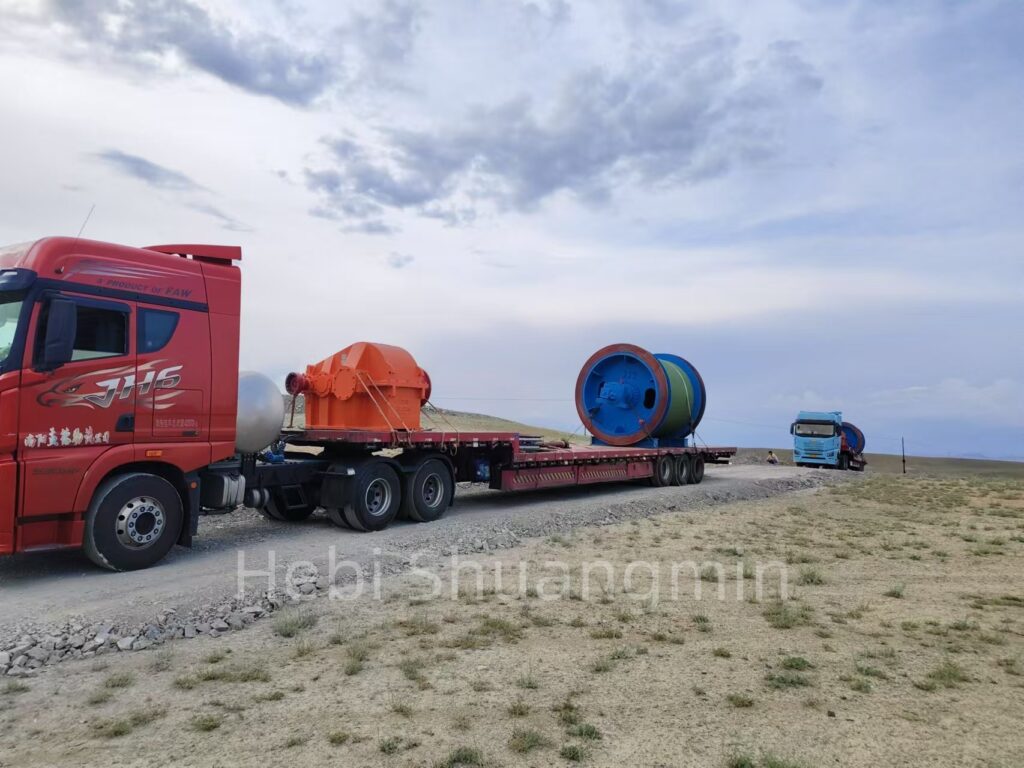
Chinese equipment attracts global customers with three key strengths. Firstly, it offers outstanding cost-effectiveness with clear advantages at comparable performance levels. Secondly, it demonstrates strong localization and adaptation capabilities. This enables flexible customization for local climates, ore characteristics, and infrastructure conditions. Finally, it ensures rapid supply chain response. China’s complete industrial chain guarantees timely delivery and after-sales support. Consequently, this significantly reduces project cycle risks for clients.
Current cooperation has now moved beyond simple trade to diverse models. For example, Chinese firms are establishing joint-venture plants with resource countries for localized assembly. They are also forming consortia with major global mining companies to jointly undertake projects. Additionally, they are providing intelligent retrofit solutions based on Chinese equipment for existing mines. These deeper partnerships significantly enhance client loyalty. Moreover, they actively promote the overseas adoption of Chinese standards and technical specifications.
Despite bright prospects, companies still face multiple challenges. These include geopolitics, international standard certifications, and deeper localization of operations and service networks. Looking ahead, the sector’s export growth will rely more on technological innovation. Key examples are green electrification and autonomous driving solutions. Furthermore, building full lifecycle service capabilities is equally crucial. As high-quality Belt and Road cooperation advances, Chinese equipment is poised to evolve. It will move firmly from “going global” to “taking root overseas.” Ultimately, it aims to become an indispensable force within the global mining industry chain.
