

A winch, commonly called a hoist, serves as versatile equipment that moves heavy loads by spooling cable. Furthermore, it acts as a fundamental lifting solution in modern industry due to its robust design and exceptional adaptability.
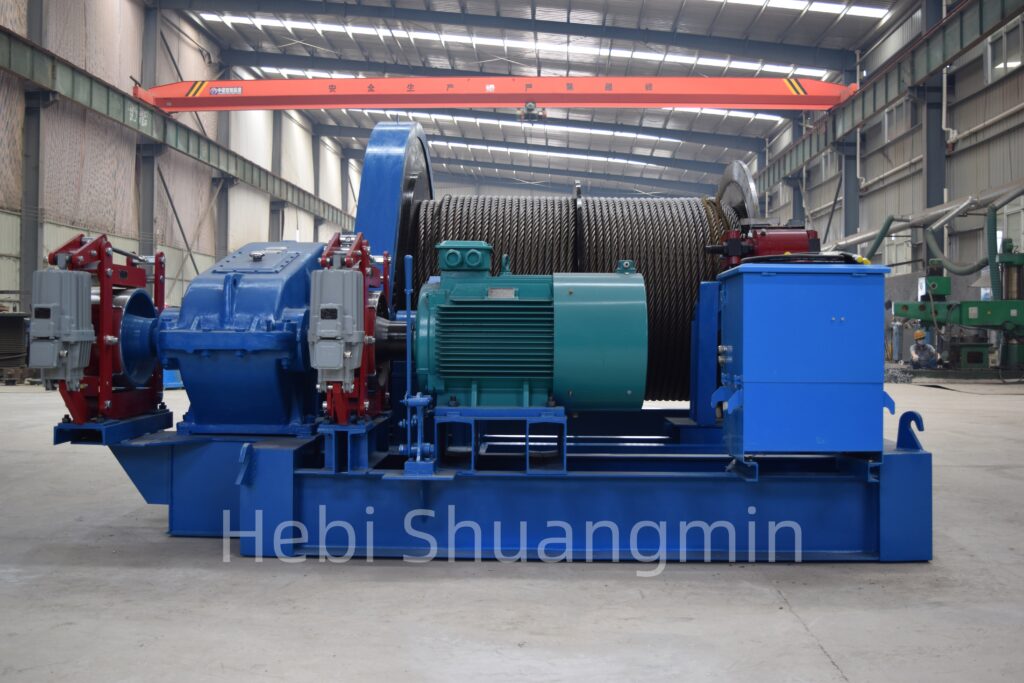
The winch’s core structure features a power unit, gearbox, drum, brake system, and steel cable. Additionally, its working principle efficiently delivers power: the motor rotates the drum to spool the cable in or out. Consequently, this controlled movement reliably performs vertical lifting or horizontal pulling of heavy loads.
Winches are primarily categorized by their power source and application. Manual winches serve light-duty tasks efficiently in power-free environments. Furthermore, electric models deliver strong power, making them the most common choice for construction and factories. Hydraulic systems, in contrast, provide smoother and greater pulling force for heavy machinery and ships. Additionally, specialized types like mine hoists serve underground operations, while rapid winches support specific engineering projects.
Winches perform critical tasks across diverse industries. Moreover, they handle material movement on construction sites and cargo loading in ports. They also efficiently lift and lower ore in mining operations. Furthermore, these machines serve irreplaceable roles in rescue and forestry work. In fact, winches provide solutions wherever heavy loads require vertical or horizontal movement.
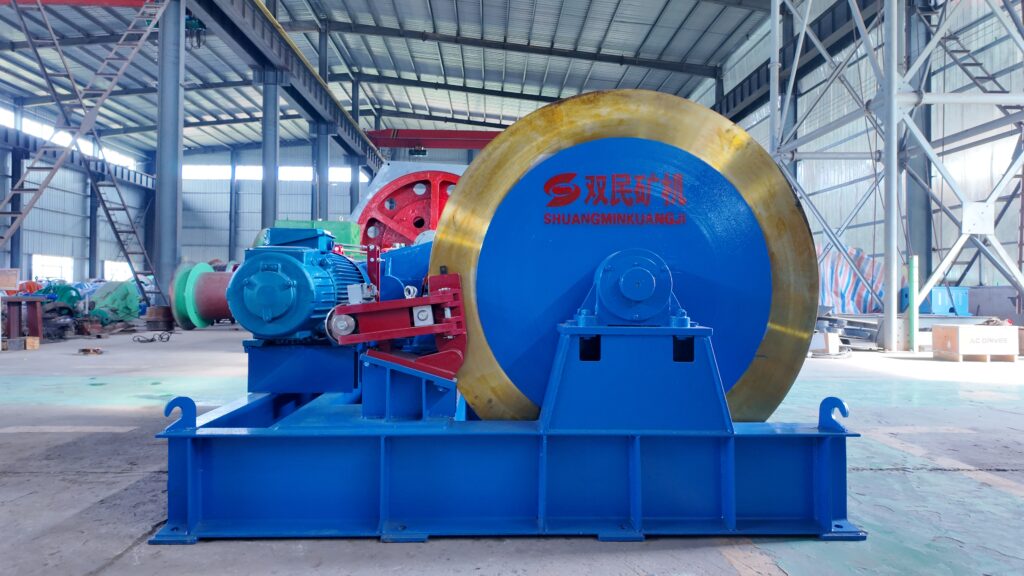
Safety forms the foundational principle for all winch operations. Proper installation, consistent maintenance, and correct procedures are absolutely essential. Meanwhile, technological advances are shaping the next generation of intelligent, remote-controlled, and energy-efficient winches. These future models will integrate more sensors and safety devices to achieve superior efficiency and safer operations.
